Latest posts
-
June 2026 Research Update: 15 New Articles on Peptide Research for Aesthetic, Wellness & Weight Loss Clinics

15 new research articles published this week covering skin peptides, GLP-1 body composition, aesthetic recovery stacks, clinic revenue models, and the science behind 2026’s biggest wellness trends. Find everything organized by audience below.
-
SS-31 and NAD+: What the Mitochondrial Anti-Aging Research Shows for Wellness Clinics
Mitochondrial dysfunction is one of the most consistently documented features of biological aging. SS-31 and NAD+ address this problem through distinct but complementary mechanisms. Here’s what the preclinical and early clinical research shows — and what it means for wellness clinics building longevity research protocols.
-
Melanotan 2 Skin Pigmentation Research: What Aesthetic Clinics Need to Know
Melanotan 2 has one of the most studied receptor profiles of any aesthetic peptide compound — and one of the most complex. Here’s an honest look at what the preclinical and early clinical research shows about MT-2, the MC1R pathway, and what this means for aesthetic research protocols.
-
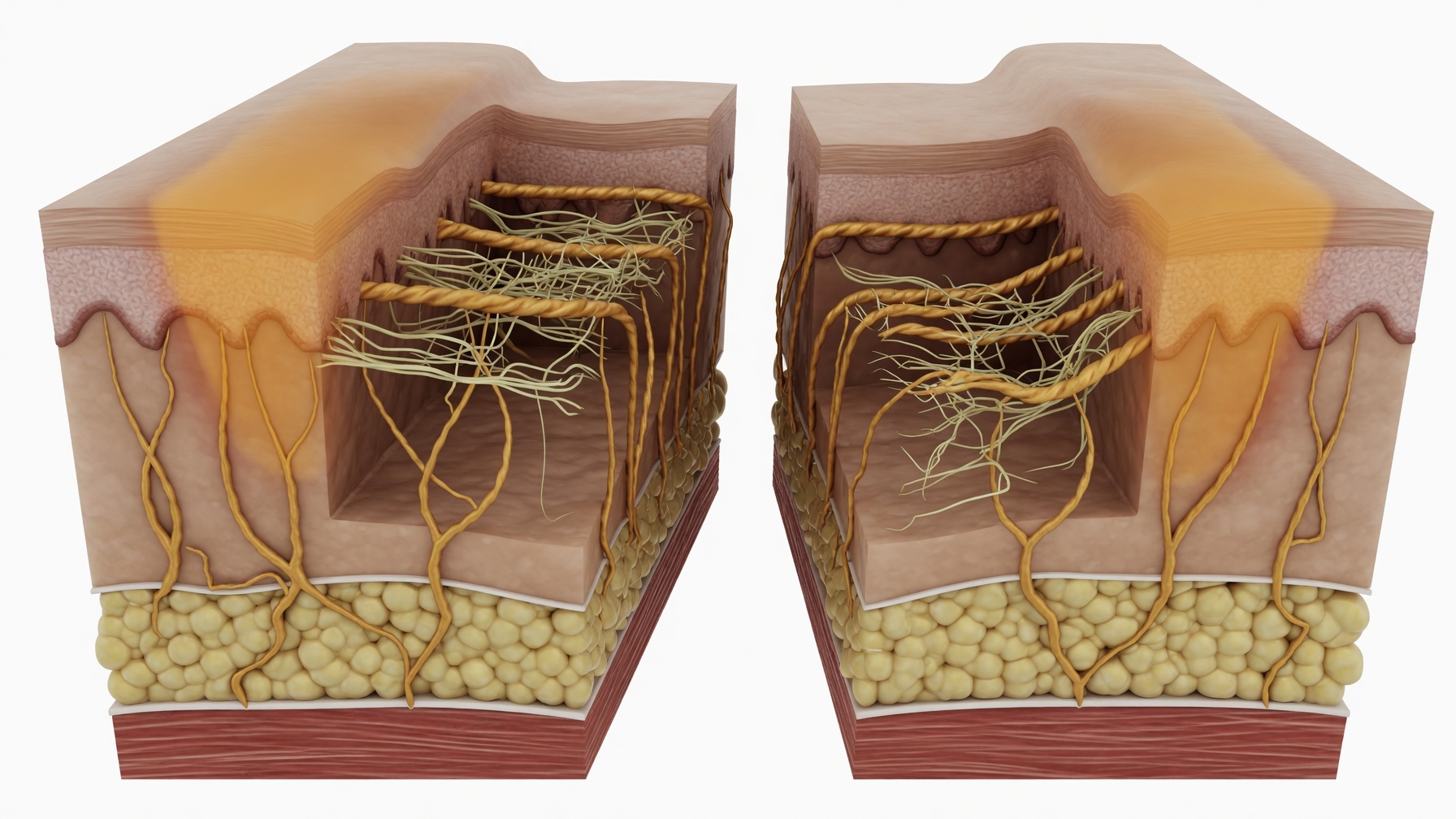
Skin Tightening After Weight Loss: What the Research Says About GHK-Cu and Collagen Recovery
Significant weight loss — especially rapid loss from GLP-1 protocols — often leaves clients with lax, thinned skin as collagen and elastin density decline. Here’s what the preclinical research on GHK-Cu shows about collagen biology and skin structural recovery.
-
Beyond GLP-1: What the Research Says About AOD-9604 and Fragment 176-191 for Body Composition
GLP-1 agonists dominate the weight loss conversation, but body composition research extends well beyond appetite suppression. AOD-9604 and Fragment 176-191 represent a different class of research compounds — ones targeting fat metabolism directly. Here’s what the preclinical literature shows.
-
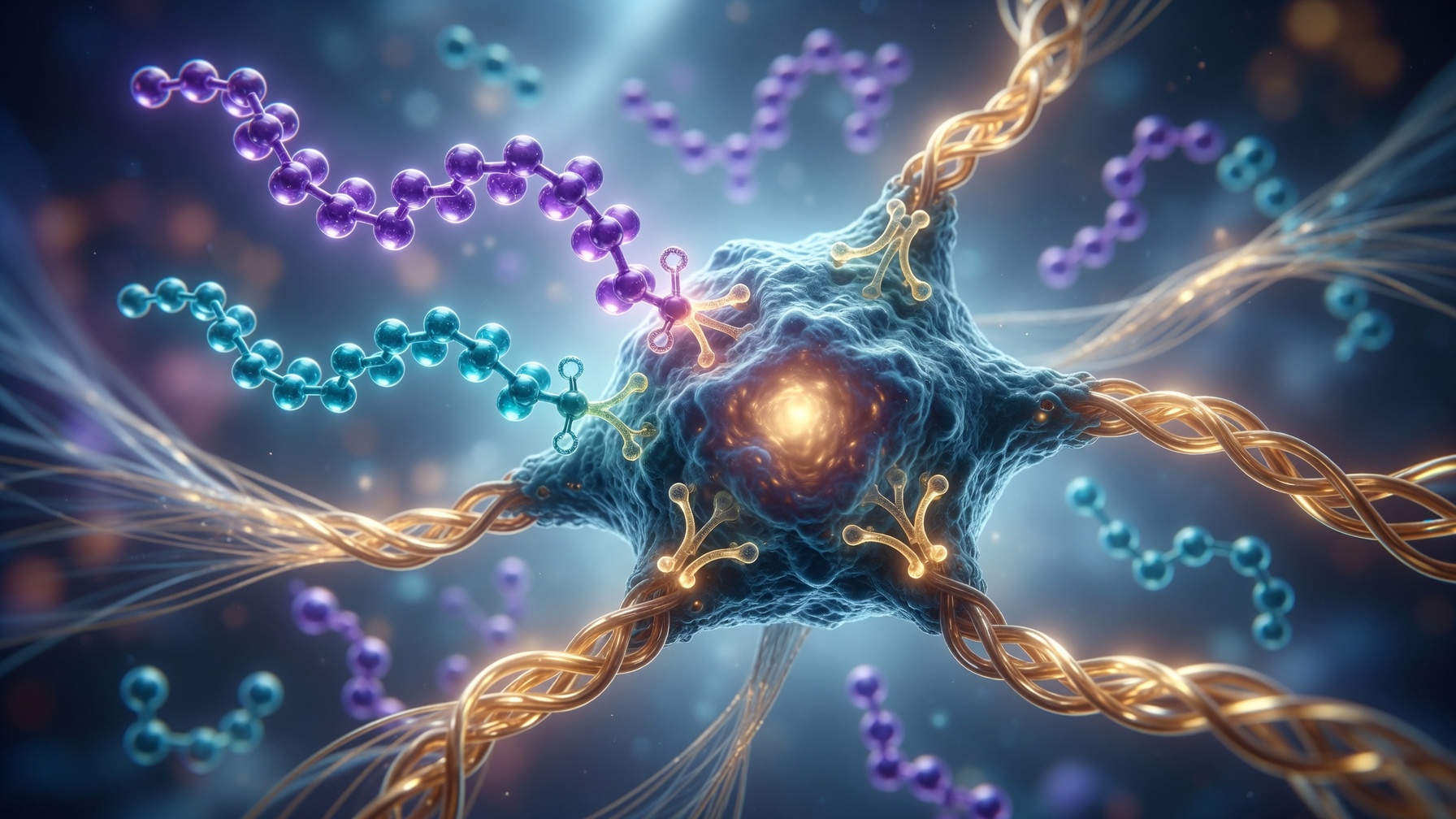
GHK-Cu + BPC-157 + TB-500: What the Research Says About This Aesthetic Recovery Stack
The GHK-Cu + BPC-157 + TB-500 research stack has become one of the most discussed multi-compound protocols in aesthetic recovery research. Here’s what the preclinical literature shows about each compound and why researchers are studying them together.
-
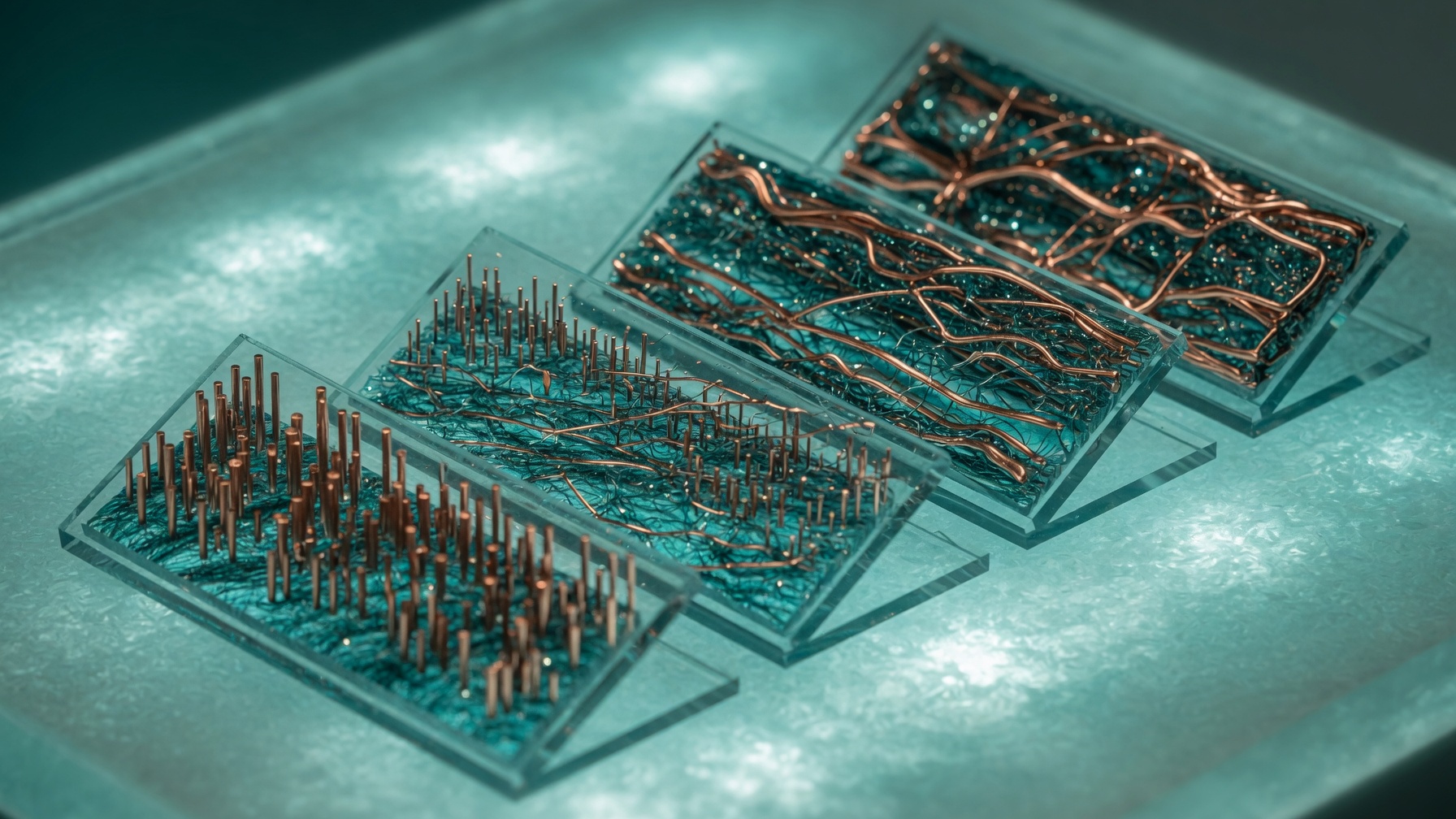
Four Types of Skin Peptides: What the Research Says About Collagen Builders, Barrier Repair, and Beyond
Not all peptides work the same way on skin. Preclinical research points to four distinct functional categories — each targeting a different mechanism. Here’s what the literature shows about each type and why the distinction matters for aesthetic research protocols.
-
GHK-Cu and BPC-157 Stack: Collagen Synthesis, Skin Repair, and Anti-Aging Research
GHK-Cu and BPC-157 Stack: Collagen Synthesis, Skin Repair, and Anti-Aging Research The biology of skin aging involves the convergence of multiple processes: declining collagen synthesis and structural matrix integrity, reduced vascular density and impaired microcirculation, chronic low-grade inflammation, and the accumulation of oxidative damage across cellular compartments. Effective research into anti-aging skin biology increasingly recognizes…
-
Thymosin Alpha-1, LL-37, and KPV: Research on the Immune Support Peptide Stack
Thymosin Alpha-1, LL-37, and KPV: Research on the Immune Support Peptide Stack The immune system operates through multiple overlapping layers of defense and regulation: innate immunity provides rapid, non-specific responses to pathogens and tissue damage; adaptive immunity deploys targeted, antigen-specific responses; and regulatory mechanisms prevent immune overactivation that can damage host tissue. Effective immune function…
-
Epithalon and MOTS-c Longevity Stack: What the Research Shows About Combining These Two Aging-Biology Peptides
Epithalon and MOTS-c Longevity Stack: What the Research Shows About Combining These Two Aging-Biology Peptides Longevity research has increasingly moved toward a multi-target framework — the recognition that biological aging is not driven by a single mechanism but by the convergence of several distinct processes: telomere shortening, mitochondrial dysfunction, epigenetic drift, cellular senescence, and chronic…